
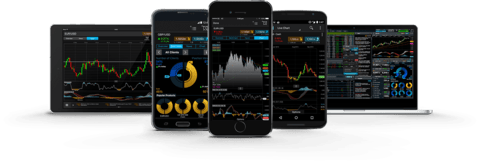
Contracts for Difference (CFDs) have gained significant popularity among traders and investors in recent years. They offer a unique way to participate in financial markets without owning the underlying assets directly. In this comprehensive guide, we will delve into the world of what is CFDs , exploring their key features, benefits, risks, and how they can be utilized as part of a trading strategy.
What are Contracts for Difference (CFDs)?
CFDs are derivative financial instruments that allow traders to speculate on the price movements of various assets, such as stocks, indices, commodities, and currencies. When you trade a CFD, you enter into an agreement with a broker to exchange the difference in the price of an asset from the point at which the contract is opened until it is closed.
One of the key advantages of CFDs is the ability to trade on margin, also known as leverage. This means that traders can open positions with a fraction of the full value of the trade, potentially amplifying their returns. However, it is crucial to understand that leverage can also magnify losses if the market moves against the trader’s position.
Benefits of Trading CFDs
CFDs offer several compelling benefits for traders:
Flexibility: CFDs allow traders to go long (buying) or short (selling) on an asset, enabling them to potentially profit from both rising and falling markets.
Diverse Market Access: CFDs provide access to a wide range of markets, including stocks, indices, commodities, and currencies, all from a single trading account.
Cost-Effectiveness: CFDs typically involve lower transaction costs compared to traditional trading methods, as there are no ownership transfer fees or stamp duties.
Flexible Leverage: CFDs offer flexible leverage options, allowing traders to choose the level of exposure they are comfortable with, subject to regulatory restrictions and broker offerings.
Risks Associated with CFD Trading
While CFDs present opportunities for traders, it is essential to be aware of the associated risks:
Market Risk: CFDs are exposed to the price fluctuations of the underlying assets. Adverse market movements can result in significant losses.
Counterparty Risk: CFDs are traded over-the-counter (OTC), meaning that traders are exposed to the risk of the broker or counterparty defaulting on their obligations.
Leverage Risk: While leverage can amplify potential returns, it can also magnify losses if the market moves against the trader’s position.
Lack of Ownership: CFD traders do not own the underlying assets, which means they do not have voting rights or receive dividends (although some brokers may offer dividend adjustments).
Getting Started with CFD Trading
To start trading CFDs, follow these steps:
Choose a Reputable Broker: Select a well-established and reputable CFD broker that offers a user-friendly trading platform, competitive spreads, and educational resources.
Educate Yourself: Gain a thorough understanding of CFDs, market dynamics, and risk management strategies through educational materials, webinars, and demo accounts.
Develop a Trading Plan: Create a well-defined trading plan that outlines your goals, risk tolerance, and strategies for entry, exit, and position sizing.
Start with Small Positions: Begin trading with small position sizes to gain experience and confidence before gradually increasing your exposure.
Conclusion
Contracts for Difference (CFDs) provide traders with a flexible and cost-effective way to participate in various financial markets.
