
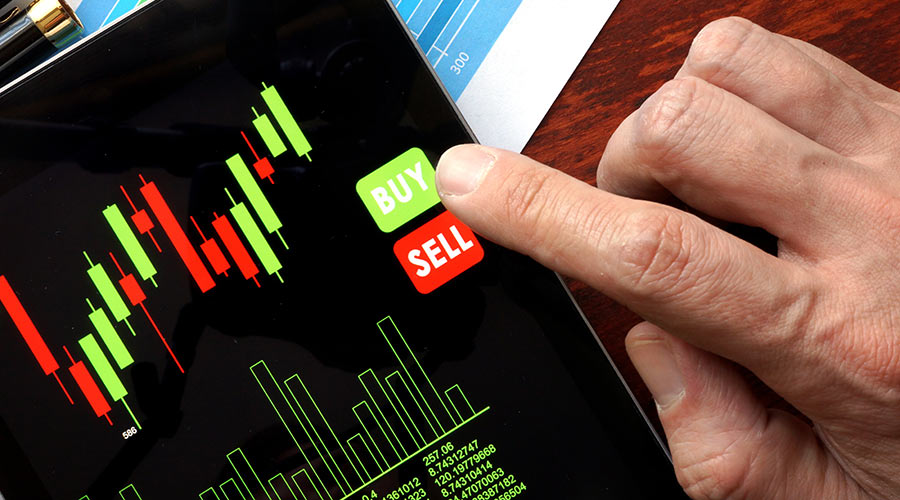
In the realm of online trading, where billions of dollars can be won or lost in moments, traders are constantly seeking the golden ratio between intuition and analysis. This intricate dance between the gut’s whispers and the cold, hard data’s shouts defines the zenith of trading strategy. But how exactly can one balance these seemingly opposing forces to make informed, profitable decisions in the fast-paced world of online trading?
The Science of Analysis
At its core, online trading is grounded in analysis. This scientific approach involves dissecting financial data, chart patterns, economic indicators, and more to predict market movements. Traders employ various analytical methods, such as fundamental analysis, which examines economic fundamentals of a market or a company, and technical analysis, which focuses on charts and statistical indicators to forecast future price movements.
The beauty of analysis lies in its objectivity and replicability. By applying the same set of rules and indicators to a given situation, traders can remove emotional bias from their decisions. This methodical approach can lead to consistent results, as it relies on historical data and trends rather than the whims of the market.
The Art of Intuition
Intuition, on the other hand, is the art within trading. It’s the trader’s ability to sense a good move based on experience, subtle cues, and an inherent understanding of the market’s mood. Intuition can sometimes seem like a mystical force that guides traders to make decisions that defy logical explanation but end up being remarkably prescient.
Experienced traders develop this intuition over years of observing market patterns, experiencing highs and lows, and learning to listen to their gut feelings about trades. This intuitive sense can help them make split-second decisions that no amount of analysis could have prompted.
Finding the Balance
The key to successful online trading lies in finding the right balance between analysis and intuition. Relying solely on analysis can make a trader rigid, unable to adapt to the market’s fluidity. On the other hand, trading based purely on intuition is akin to gambling, with all the risks that entail.
To strike a balance, traders should start with analysis. Use it to inform yourself about the potential risks and rewards of a trade. Once you’ve done your homework, check in with your intuition. Does this trade feel right? Are there any red flags that your subconscious is warning you about?
One effective strategy is to use analysis for entry and exit points but allow intuition to guide you on timing and position sizing. For example, the analysis might tell you that a particular stock is undervalued and poised for growth, but your intuition might suggest waiting for a better entry point or adjusting the size of your investment based on current market conditions.
Conclusion
Balancing the art of intuition with the science of analysis is not a skill acquired overnight. It requires patience, practice, and a deep understanding of both oneself and the market. However, those who can master this balance will find themselves better equipped to navigate the complexities of online trading, making informed decisions that leverage the best of both worlds.
Remember, the goal is not to eliminate emotion or intuition from trading but to integrate them into a comprehensive approach that includes rigorous analysis. This holistic strategy can lead to more consistent success, allowing traders to capitalize on the opportunities that the online market offers while minimizing unnecessary risks.
